How Proper Tire Maintenance Improves Vehicle Performance
Taking care of your automobile involves looking after every component touching the pavement. Your vehicle relies on sturdy rubber to grip road surfaces safely. When you keep up with routine maintenance, your vehicle handles smoothly and responds predictably to steering inputs. According to IBISWorld, the industry has grown at a compound annual growth rate of 1.2% between 2021 and 2026, highlighting how many drivers value reliable vehicle care.
Paying attention to rubber condition prevents minor issues from turning into major mechanical trouble. Routine checks give technicians a chance to catch uneven tread wear before it affects handling. Taking care of your tires keeps your family safe while saving money on fuel and repairs.
Maximizing Fuel Mileage
Keeping your vehicle running efficiently requires proper maintenance across every wheel. When inflation levels drop, rolling resistance increases and forces your engine to work harder. Maintaining proper pressure keeps fuel consumption low during long drives. Taking care of your tires keeps your vehicle moving efficiently while saving money at the fuel pump.
Checking Inflation Pressure
Checking air pressure regularly prevents friction between rubber tread and asphalt surfaces. Underinflated rubber sags outward, creating drag. Overinflated rubber creates a harsh ride while causing the center tread to wear down prematurely. Maintaining correct pressure ensures even road contact and optimal fuel economy.
Reducing Rolling Resistance
Reducing rolling resistance allows your engine to propel your vehicle forward efficiently. Smooth rolling action depends on proper inflation. When wheel assemblies roll smoothly, your engine burns less fuel. Simple air checks go a long way toward lowering monthly fuel expenses.
Aligning Front Ends
Aligning your steering system prevents wheels from dragging against each other. Misaligned wheels drag sideways across the pavement, creating friction. Proper alignment corrects wheel angles so your vehicle tracks straight with minimal effort. Regular alignment service prolongs tread life and improves gas mileage.
Managing Tread Wear
Managing tread wear patterns ensures that rubber surfaces contact the road evenly. Uneven tread wear creates dragging forces that force your engine to consume extra fuel. Rotating wheel positions distributes friction evenly across every corner. Keeping tread wear uniform maintains smooth rolling efficiency.
Enhancing Road Safety
Driving safely in unpredictable weather requires strong grip. Well-maintained tires give you reliable traction on wet pavement. Keeping your rubber in good condition reduces stopping distances while preventing dangerous skidding.
Improving Stopping Distance
Improving stopping power depends directly on tread depth and proper rubber contact with road surfaces. Deep tread grooves channel water away to prevent hydroplaning. Worn tread loses grip quickly, increasing the distance needed to stop. Adequate tread depth ensures your brakes work effectively in emergencies.
Preventing Unexpected Blowouts
Preventing sudden blowouts requires inspecting rubber sidewalls for cracks and debris. Low air pressure builds up heat rapidly, risking failure. Visual inspections help catch deep cuts before blowouts occur. Proper inflation protects your family from dangerous breakdowns.
Increasing Surface Grip
Increasing surface grip allows your vehicle to navigate sharp turns with confidence. Firm road contact prevents slipping when accelerating or stopping. Quality rubber grips the pavement securely, keeping your vehicle stable. Regular tread depth checks ensure your vehicle stays planted on the road.
Detecting Hidden Weaknesses
Detecting subtle defects early prevents mechanical failures at higher speeds. Technicians look for internal belt separation and uneven wear marks during inspections. Catching structural damage early allows for replacement before dangerous situations arise. Visual checks keep your vehicle operating safely.
Extending Equipment Lifespan
Protecting your investment means getting maximum useful life from your rubber. Routine rotation along with prompt repairs prevents premature wear. Careful attention to wheel condition helps your equipment last as long as possible.
Rotating Wheel Positions
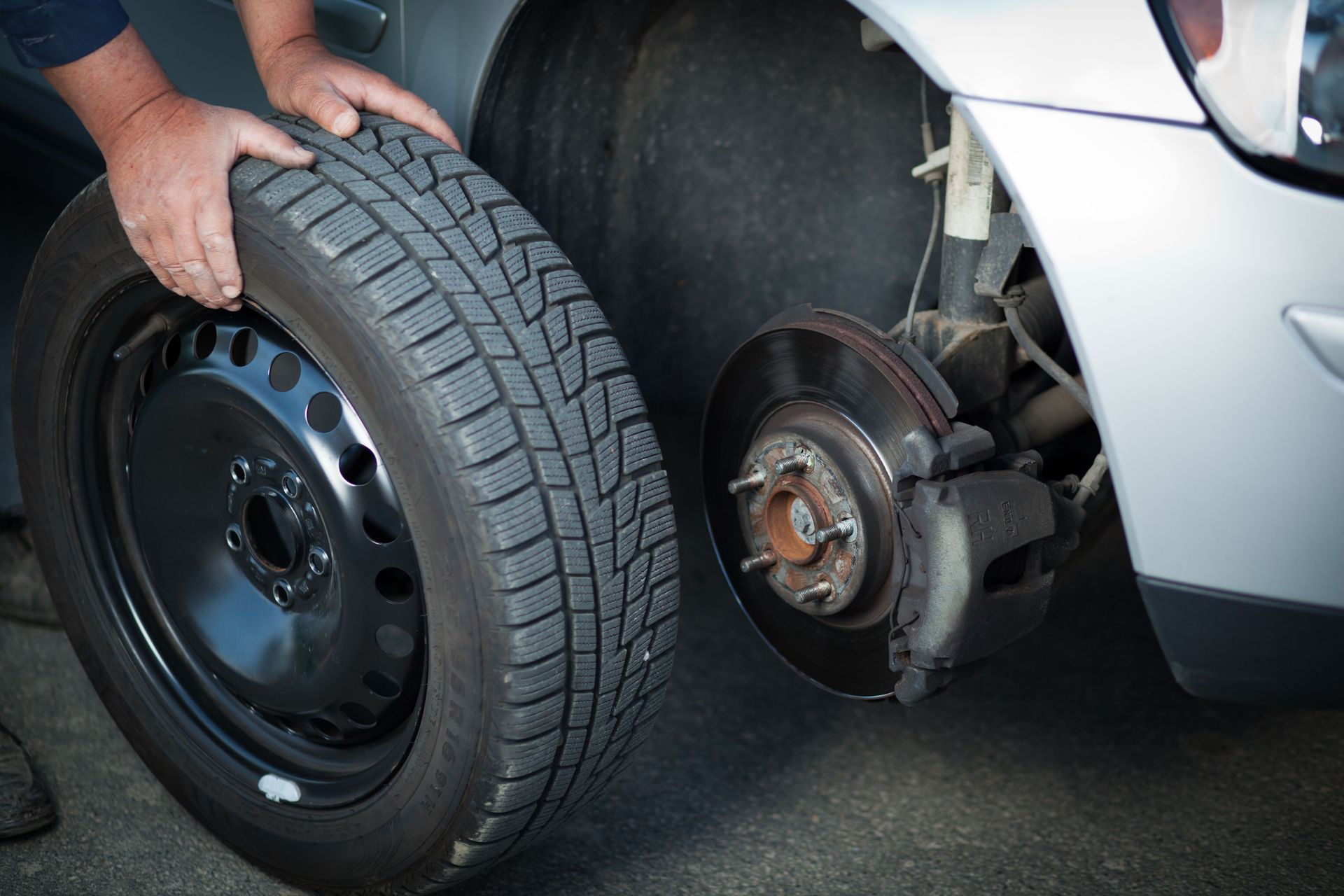
Rotating wheels between front and rear axles ensures that tread wears down at an even rate. Front wheels handle heavy steering forces, wearing faster than rear wheels. Swapping wheel locations distributes cornering stress across all positions. Regular rotations extend useful tread life and maintain balanced handling.
Balancing Wheel Assemblies
Balancing wheel assemblies eliminate heavy spots that cause vibrations at highway speeds. Small weight imbalances create bouncing forces that wear down rubber. Technicians attach small weights to wheel rims to ensure smooth rotation. Proper balancing creates a comfortable ride.
Storing Extra Rubber
Storing off-season rubber correctly preserves structural integrity while preventing degradation. Sun exposure and extreme heat cause rubber compounds to dry out. Keeping unused wheel assemblies in a cool location shields them from environmental damage. Proper storage ensures seasonal rubber remains pliable when reinstalled.
Repairing Minor Punctures
Repairing small nail punctures promptly restores air retention and prevents internal corrosion. Technicians use internal patches to seal tread punctures safely before corrosion spreads. Prompt repairs save functional rubber from early disposal, keeping maintenance costs low.
Improving Passenger Comfort
Riding in a quiet automobile makes daily commuting far more enjoyable. Properly maintained tires cushion your cabin from rough road impacts while reducing highway noise levels. Keeping your vehicle balanced ensures a comfortable journey for passengers.
Minimizing Cabin Vibration
Minimizing unwanted vibration relies on maintaining balanced wheels. Imbalanced wheels transmit rapid shaking movements through the steering wheel. Regular balancing and alignment eliminate shaking, creating a smooth experience. Eliminating vibration reduces stress on dashboard components.
Cushioning Harsh Impacts
Cushioning bumps depends on maintaining correct air pressure inside every wheel assembly. Properly inflated rubber absorbs pavement imperfections before shocks reach your suspension system. Correct pressure prevents harsh impacts from jarring passengers or damaging steering linkages. Balanced air levels create a soft ride.
Lowering Road Hum
Lowering cabin noise levels creates a quiet interior environment. Unevenly worn tread blocks produce humming sounds as they roll. Smooth, evenly worn rubber rolls quietly, reducing cabin noise levels. Maintaining proper alignment keeps road noise down for a peaceful drive.
Protecting Suspension Parts
Protecting shock absorbers and struts requires keeping wheel assemblies well-balanced. Vibrating wheels place continuous mechanical stress on steering arms. Smooth rolling action reduces shock loads, helping expensive suspension parts last longer. Routine wheel maintenance protects your chassis from premature wear.
Saving Maintenance Dollars
Avoiding costly repair bills is a primary benefit of routine vehicle maintenance. Taking care of your equipment prevents secondary damage to steering systems. Spending time on regular inspections saves money over the lifespan of your automobile. Investing in routine care for your tires protects your household budget from unexpected expenses.
Avoiding Emergency Towing
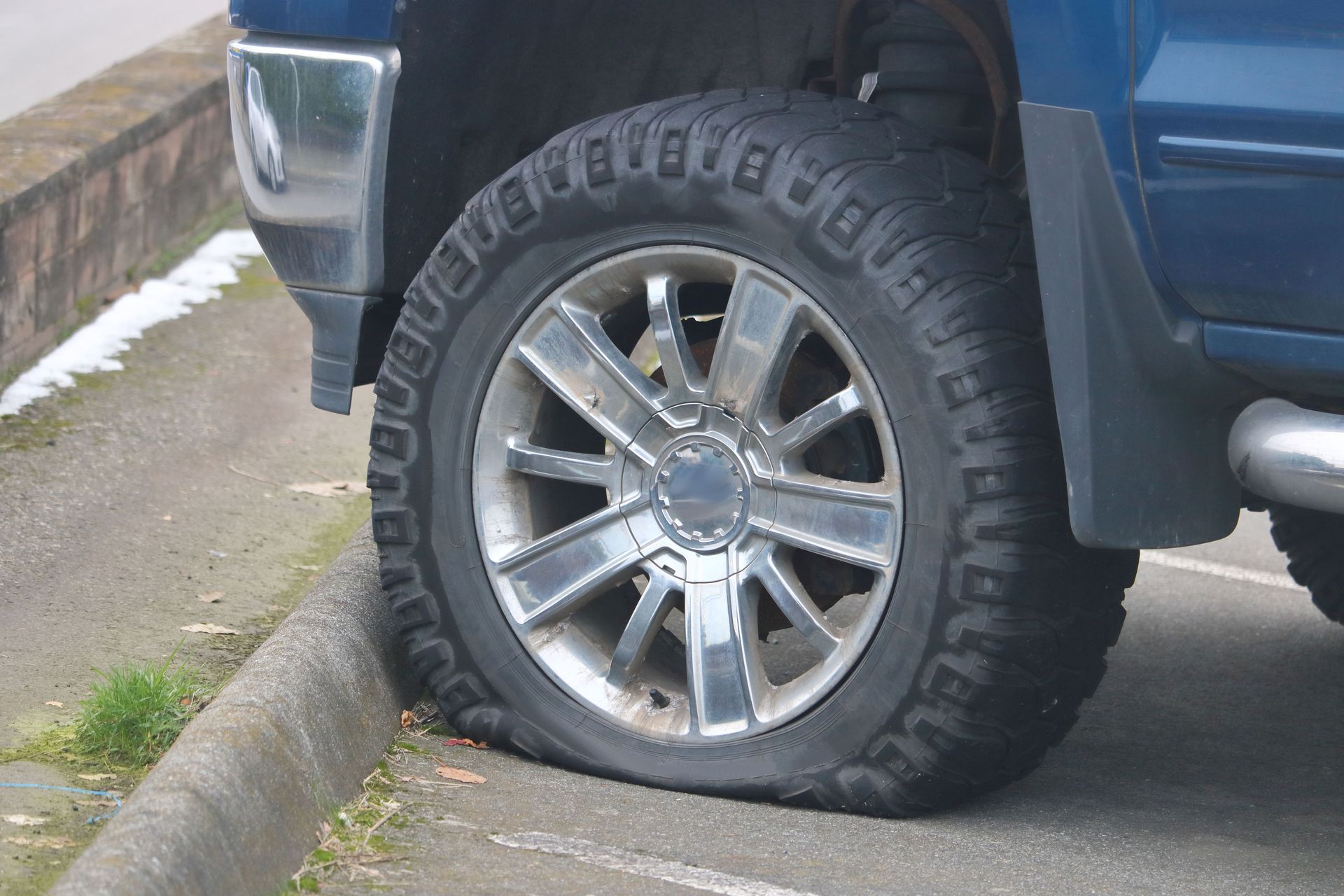
Avoiding sudden breakdowns eliminates the expense of emergency towing. Unexpected flat tires or blowouts often result in towing fees. Regular visual checks and pressure checks help catch weaknesses before they leave you stranded. Preventative maintenance keeps your vehicle rolling reliably.
Protecting Steering Components
Protecting expensive steering linkages requires maintaining proper wheel alignment. Misaligned wheels force steering gears to work against lateral pressure. Correct alignment eliminates artificial strain, keeping steering components functional. Preventing steering wear saves you from expensive shop repairs.
Planning Routine Service
Planning routine maintenance visits allows you to budget for vehicle care effectively. Scheduled inspections and alignments keep all corners performing well. Partnering with skilled technicians ensures your vehicle receives attentive care at every service interval.
Spencer Tire and Auto Repair provides comprehensive automotive care and routine maintenance for local drivers. Our experienced team brings practical skills and dedicated effort to every service appointment. Whether you need routine wheel rotations, brake checks, or new tires, Spencer Tire and Auto Repair is here to help. To schedule your next maintenance service or ask about vehicle care, contact us today.

















Share On: