7 Car Problems That Start Small but Lead to Major Auto Repairs
Every vehicle owner fears the moment when a small problem develops into an expensive mechanical failure. Minor warning signs can be easy to dismiss, especially when the vehicle still starts and drives normally. However, unusual noises, dashboard lights, fluid spots, and changes in handling often indicate that a component needs attention. Addressing these concerns early can protect important systems, reduce repair costs, and prevent sudden breakdowns. A dependable maintenance routine allows drivers to identify developing problems before they affect safety or performance. Understanding common warning signs can also help owners make informed decisions and extend the life of their vehicles.
1. Ignoring Engine Misfires
An engine misfire occurs when one or more cylinders fail to complete combustion correctly. Common causes include worn spark plugs, damaged ignition coils, clogged fuel injectors, vacuum leaks, and fuel delivery problems. Drivers may notice rough idling, hesitation during acceleration, reduced fuel economy, or popping sounds from the engine. The check engine light may also illuminate or flash when the problem becomes severe. Although the vehicle may remain drivable, continued use can place unnecessary stress on engine components.
Ignoring a misfire can damage the catalytic converter because unburned fuel may enter the exhaust system and create excessive heat. Repeated misfires may also contribute to overheating, piston damage, and premature engine wear. A professional auto repair inspection can determine whether the cause is a simple ignition issue or a more serious mechanical problem. Replacing spark plugs or cleaning injectors is usually far less expensive than replacing a catalytic converter or rebuilding an engine.
2. Neglecting Brake Squeaks
Brake squeaks are sometimes caused by moisture or surface dust, but persistent noises often indicate worn brake pads or damaged components. The braking system includes pads, rotors, calipers, brake lines, and hydraulic fluid, all of which must work together. Drivers should also pay attention to grinding sounds, vibrations, pulling, or a soft brake pedal. These symptoms may point to damaged rotors, uneven wear, leaking fluid, or air in the hydraulic system.
Delaying brake service can turn an affordable pad replacement into a more expensive repair involving rotors, calipers, or other hardware. Severely worn pads may allow metal parts to grind together, increasing stopping distance and creating a serious safety risk. Scheduling auto repair service when the first warning signs appear helps preserve braking performance and lowers the likelihood of emergency work. Routine inspections can also identify contaminated fluid or seized components before they cause failure.
3. Overlooking Oil Leaks
Oil leaks commonly develop around valve cover gaskets, oil pan seals, drain plugs, filters, and crankshaft seals. A small spot beneath the vehicle may appear harmless, but even a slow leak can gradually lower the engine’s oil level. Drivers should check the dipstick regularly and look for stains where the vehicle is parked. Burning odors, smoke from the engine compartment, or an oil pressure warning light may indicate that the leak has worsened.
When an engine loses lubrication, moving parts generate more heat and friction. This can damage bearings, cylinder walls, camshafts, and other internal components. Oil that reaches hot exhaust parts may also create smoke or increase the risk of fire. Prompt auto repair may involve a simple gasket or seal replacement, while continued neglect can result in engine failure. Regular oil changes and inspections for deteriorated seals are practical ways to prevent major damage.
4. Dismissing Transmission Slips
A slipping transmission may cause the engine speed to rise without a matching increase in vehicle speed. Other warning signs include delayed engagement, harsh shifts, humming noises, or difficulty staying in gear. Low or contaminated transmission fluid is a frequent cause, but worn clutches, damaged solenoids, failing sensors, and internal wear may also be responsible. Drivers should not wait for the vehicle to become undrivable before seeking help.
Continuing to drive with slipping gears can produce excessive heat and accelerate wear throughout the transmission. A minor fluid leak or electrical fault may eventually lead to a rebuild or complete replacement if ignored. Timely auto repair may include correcting the fluid level, repairing a leak, or replacing a sensor. These solutions are usually more affordable than replacing the entire unit. Routine fluid inspections and proper towing practices can help maintain smooth shifting.
5. Ignoring Uneven Tire Wear
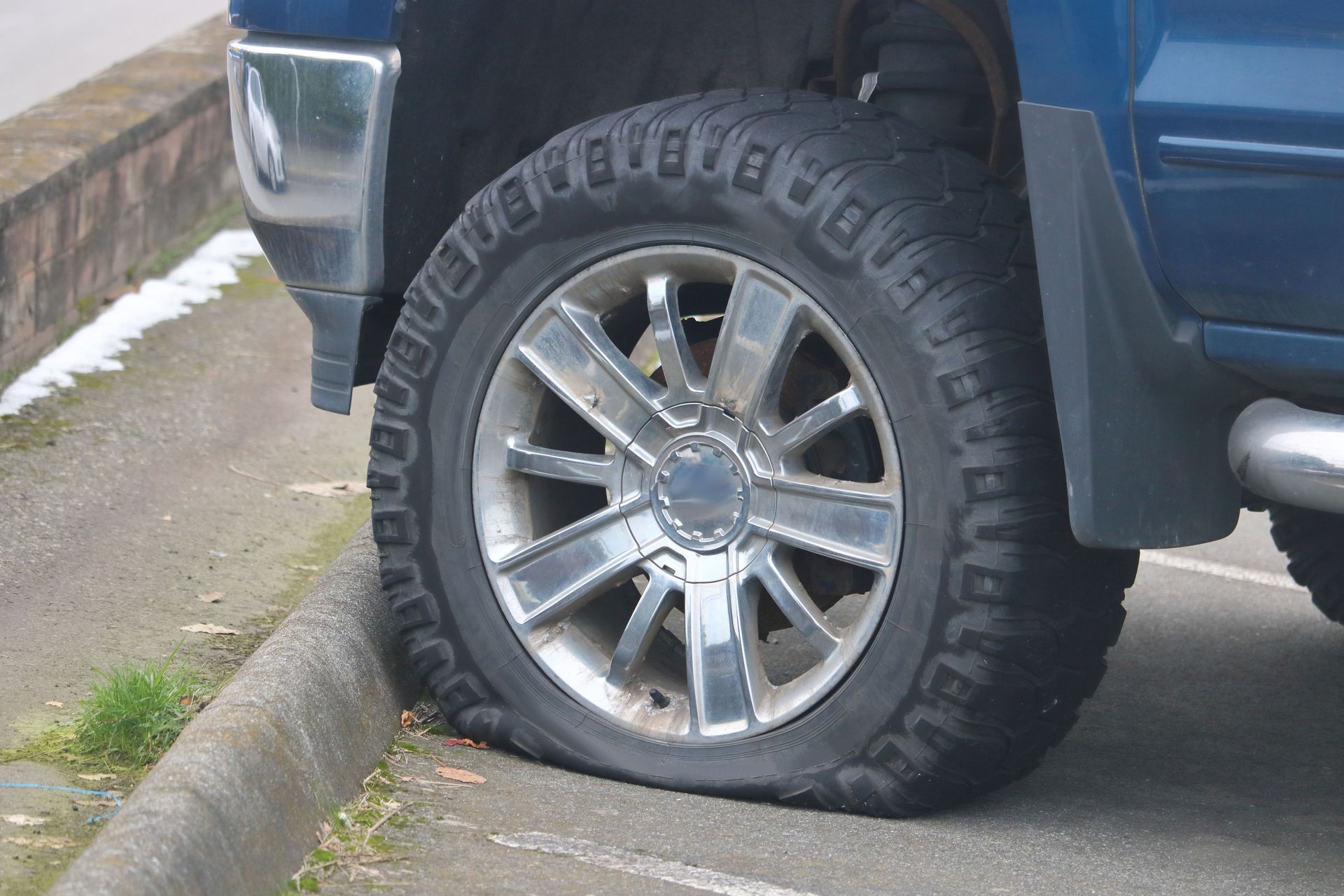
Tires provide the vehicle’s contact with the road, so their condition directly affects steering, braking, and stability. Uneven tread wear may indicate improper inflation, poor alignment, worn suspension parts, or a lack of regular rotation. Drivers should inspect tires for cracks, bulges, exposed cords, embedded objects, and shallow tread. Frequent pressure loss can suggest a puncture, damaged valve stem, or wheel problem.
Neglected tire problems can lead to blowouts, poor fuel economy, and additional wear on suspension and steering components. A vehicle that pulls, vibrates, or handles differently may need more than a tire replacement. An auto repair technician can inspect wheel bearings, tie rods, control arms, shocks, and alignment angles to identify the underlying cause. Maintaining recommended air pressure and rotating tires regularly promotes even wear and extends tire life.
6. Dismissing Exhaust Fumes and Odors
Unusual smells can provide important clues about vehicle problems. A sulfur-like odor may indicate a failing catalytic converter, while a burning smell can result from leaking oil, overheated brakes, or damaged wiring. A sweet smell may point to a coolant leak, and a strong fuel odor can signal a fuel system problem. Exhaust leaks may also allow harmful gases to enter the passenger compartment, especially when the vehicle is idling.
Damaged exhaust components can reduce engine efficiency, increase emissions, and expose occupants to carbon monoxide. Small leaks may begin around gaskets, flexible pipes, or rusted connections before spreading. Professional auto repair can identify the source, evaluate the catalytic converter, and confirm that exhaust gases are leaving the vehicle safely. Routine inspections are especially valuable in regions where road salt and moisture accelerate corrosion.
7. Responding to Dashboard Warning Lights
Dashboard lights alert drivers when a system detects an abnormal condition. Some indicators, such as a maintenance reminder, may not require immediate action, while oil pressure, overheating, brake, or charging-system warnings can signal an urgent problem. A flashing check engine light often indicates a severe misfire that may damage the catalytic converter. Drivers should consult the owner’s manual and avoid continued driving when a warning suggests a safety risk.
Diagnostic scanning can provide useful fault codes, but a code does not always identify the exact failed component. Accurate diagnosis may require visual inspections, electrical testing, pressure measurements, or mechanical evaluation. According to IBISWorld, the auto mechanics industry in the United States is valued at $92.1 billion in 2026, highlighting the demand for professional vehicle maintenance. Choosing a qualified auto repair provider can help owners avoid unnecessary part replacements and ensure the root cause is addressed.
Protecting Your Vehicle Through Preventive Maintenance
Minor vehicle issues rarely improve on their own. Engine hesitation, brake noise, fluid leaks, slipping gears, uneven tire wear, unusual odors, and warning lights should all be treated as reasons to investigate further. Preventive maintenance helps technicians identify worn parts before they damage connected systems or create a safety hazard. Regular oil changes, brake inspections, fluid checks, tire rotations, and diagnostic evaluations can reduce unexpected breakdowns.
Drivers should also become familiar with how their vehicle normally sounds, feels, and responds. A subtle change may be the first indication that a component is beginning to fail. Documenting when a symptom occurs can make diagnosis easier and prevent unnecessary work. By acting early, following recommended service intervals, and seeking professional help when needed, vehicle owners can control long-term costs, improve reliability, and protect their investment. Contact Spencer Tire and Auto Repair today and learn more about our auto repair services.


















Share On: