6 Risks of Driving on Worn or Damaged Tires
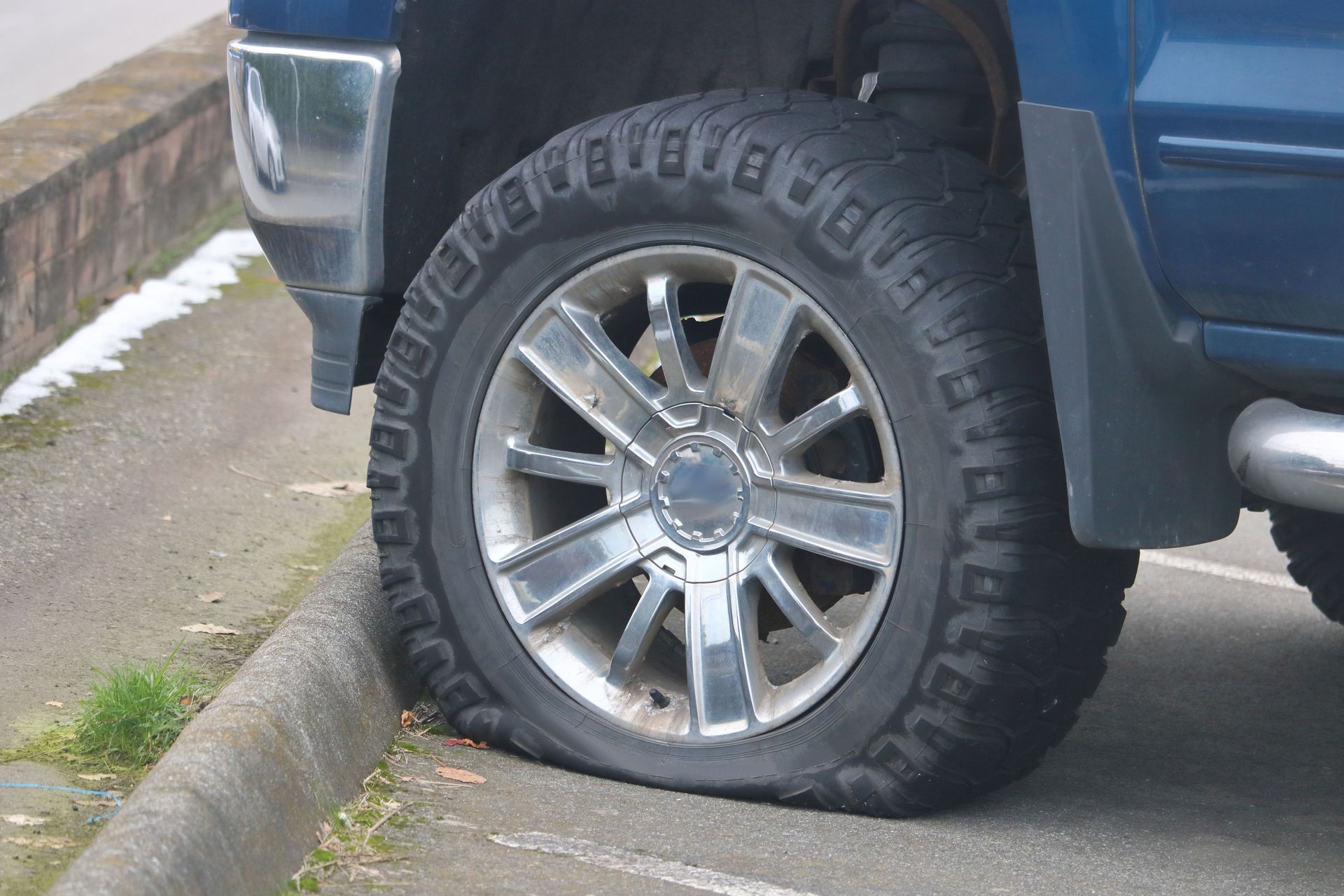
Your tires are one of the most critical safety components of your vehicle, yet they’re often overlooked until a problem becomes obvious. Many drivers continue using worn or damaged tires without realizing the risks involved, assuming that as long as the vehicle is moving, everything is functioning properly. In reality, compromised tires can significantly affect handling, braking, and overall safety, especially in unpredictable driving conditions. Visiting a trusted tire shop regularly can help identify issues early, but understanding the risks yourself is just as important.
Driving with worn or damaged tires doesn’t just impact performance—it can increase the likelihood of accidents and costly repairs. Tires serve as the only point of contact between your vehicle and the road, meaning their condition directly influences how well your car responds in different situations. When tread depth is low or structural damage is present, your ability to maintain control can diminish quickly. Recognizing these risks can help you make better decisions about maintenance and replacements before problems escalate.
According to IBISWorld, there are more than 307,000 businesses in the auto mechanics industry across the United States, reflecting the widespread demand for vehicle maintenance and repair services. This highlights how common tire-related concerns are and why regular inspections at a reliable tire shop play such an important role in maintaining vehicle safety. Here are six key risks associated with driving on worn or damaged tires and why addressing these issues early can make a significant difference.
1. Reduced Traction on the Road
Loss of Grip in Wet Conditions
Tires rely on deep tread patterns to push water away and maintain contact with the road surface. When that tread wears down, water can build up between the tire and the pavement, reducing grip significantly. This creates dangerous driving conditions even at moderate speeds. Reduced traction can also make it more difficult to accelerate smoothly, especially when starting from a stop on wet surfaces.
Increased Risk of Hydroplaning
Hydroplaning happens when tires lose full contact with the road due to excess water. Worn tires are far more vulnerable to this issue, as they lack the grooves necessary to manage moisture effectively. A professional tire shop can measure tread depth and determine if your tires are still safe. Preventing hydroplaning begins with maintaining proper tread depth and ensuring tires are replaced when necessary.
Reduced Stability on Uneven Surfaces
Traction isn’t just about wet roads. Gravel, dirt, and uneven pavement also require tires to maintain grip. Damaged or worn tires struggle to adapt to these surfaces, increasing instability and reducing driver control. This can be especially noticeable when navigating construction zones or poorly maintained roads.
Decreased Driver Confidence
When traction becomes unreliable, drivers often hesitate or overcorrect. This lack of confidence can affect reaction times and increase the likelihood of making unsafe driving decisions. Feeling uncertain behind the wheel can also lead to inconsistent driving behavior, which may impact overall safety.
2. Longer Braking Distances
Delayed Stopping Power
Braking depends heavily on tire grip. Worn tires reduce friction with the road, causing longer stopping distances. Even a slight delay can make a major difference in avoiding collisions. This becomes even more critical in high-traffic environments where quick stops are often required.
Increased Emergency Risks
In emergency situations, every second counts. Tires that can’t respond quickly can put drivers at serious risk. Regular visits to a tire shop help ensure your braking performance remains reliable. Consistent maintenance helps keep your vehicle prepared for unexpected situations.
Reduced Effectiveness of Safety Systems
Modern braking systems rely on tire traction to function correctly. Worn tires limit the effectiveness of these systems, making it harder for your vehicle to maintain control during sudden stops. This can reduce the overall effectiveness of safety features designed to protect you.
Loss of Control While Braking
Poor tire condition can lead to skidding or drifting during braking. This is especially dangerous on curves or in high-traffic situations where precise control is essential. Maintaining proper tire condition helps ensure smoother and more predictable braking performance.
3. Higher Risk of Tire Blowouts
Structural Weakness Development
Tires weaken over time due to wear, road conditions, and environmental exposure. These weaknesses can lead to sudden failures if not addressed early. Regular inspections help identify signs of damage before they become critical.
Uneven Pressure Distribution
Damaged tires may not hold air evenly, placing stress on certain areas. This imbalance increases the likelihood of a blowout, especially during long drives. Maintaining proper tire pressure is essential for even wear and safe performance.
Danger at High Speeds
Blowouts are especially hazardous on highways. Losing control at high speeds can result in severe accidents, making regular inspections at a tire shop essential. High-speed driving places additional stress on already weakened tires.
Unexpected Failures
Unlike gradual wear, blowouts often happen without warning. Routine maintenance helps identify risks before they lead to dangerous situations. Early detection is key to preventing sudden tire failure.
4. Poor Fuel Efficiency
Increased Rolling Resistance
Worn or underinflated tires create more resistance as they move, requiring the engine to work harder. This leads to higher fuel consumption over time. Even small inefficiencies can add up significantly with regular driving.
Uneven Tire Wear Effects
Irregular wear patterns can disrupt how your vehicle distributes weight. This imbalance reduces efficiency and can strain other components. Addressing wear early helps maintain better fuel economy.
Higher Long-Term Costs
Reduced fuel efficiency leads to more frequent refueling, increasing overall costs. A tire shop can help optimize tire condition for better performance. Keeping tires properly maintained helps reduce unnecessary expenses.
Impact on Vehicle Performance
Fuel efficiency is closely tied to overall vehicle performance. Properly maintained tires help ensure smoother operation and consistent results. This contributes to a more reliable driving experience.
5. Increased Wear on Other Vehicle Components
Strain on Suspension Systems
Worn tires can create uneven pressure, forcing suspension components to compensate. Over time, this added strain can lead to premature wear. Proper tire maintenance helps protect these systems.
Alignment Issues
Damaged tires can affect wheel alignment, causing the vehicle to pull in one direction. This not only impacts driving comfort but also accelerates tire wear. Regular alignment checks can help prevent these issues.
Brake System Stress
Poor tire condition forces braking systems to work harder, increasing wear on pads and rotors. Regular tire shop visits help maintain balance across all systems. This helps extend the lifespan of key components.
Reduced Overall Vehicle Lifespan
When multiple components are affected, the entire vehicle experiences increased wear. Proper tire maintenance helps protect long-term performance. Consistent care contributes to better overall reliability.
6. Greater Risk of Accidents
Reduced Handling Control
Tires play a direct role in how a vehicle responds to steering inputs. Worn tires reduce precision, making it harder to control the vehicle in critical moments. This can increase the likelihood of losing control in difficult conditions.
Limited Reaction Capability
When tires are compromised, vehicles take longer to respond to sudden changes. This delay can increase the likelihood of collisions. Quick responsiveness is essential for safe driving.
Unpredictable Performance
Damaged tires don’t behave consistently, especially under stress. This unpredictability creates dangerous driving conditions. Reliable tires help maintain steady performance.
Higher Overall Safety Risks
All of these factors combine to significantly increase the risk of accidents. Regular inspections at a tire shop help reduce these risks and improve overall safety. Maintaining tire condition is one of the most effective ways to enhance road safety.
Driving on worn or damaged tires presents serious risks that extend beyond basic performance concerns. From reduced traction and longer braking distances to increased chances of blowouts and accidents, each issue highlights the importance of maintaining proper tire condition. Tires are essential to every aspect of vehicle safety, and neglecting them can lead to dangerous consequences.
By staying proactive and addressing tire concerns early, drivers can improve safety, reduce long-term costs, and maintain better control on the road. Regular inspections, proper maintenance, and timely replacements all contribute to a more reliable driving experience. Taking a preventative approach helps ensure your vehicle remains safe and dependable in a variety of conditions.
If you’re noticing signs of wear or want to ensure your vehicle is performing safely, contact Spencer Tire and Auto Repair today. A reliable tire shop can help you identify issues early and keep your vehicle running safely and efficiently.





















Share On: